
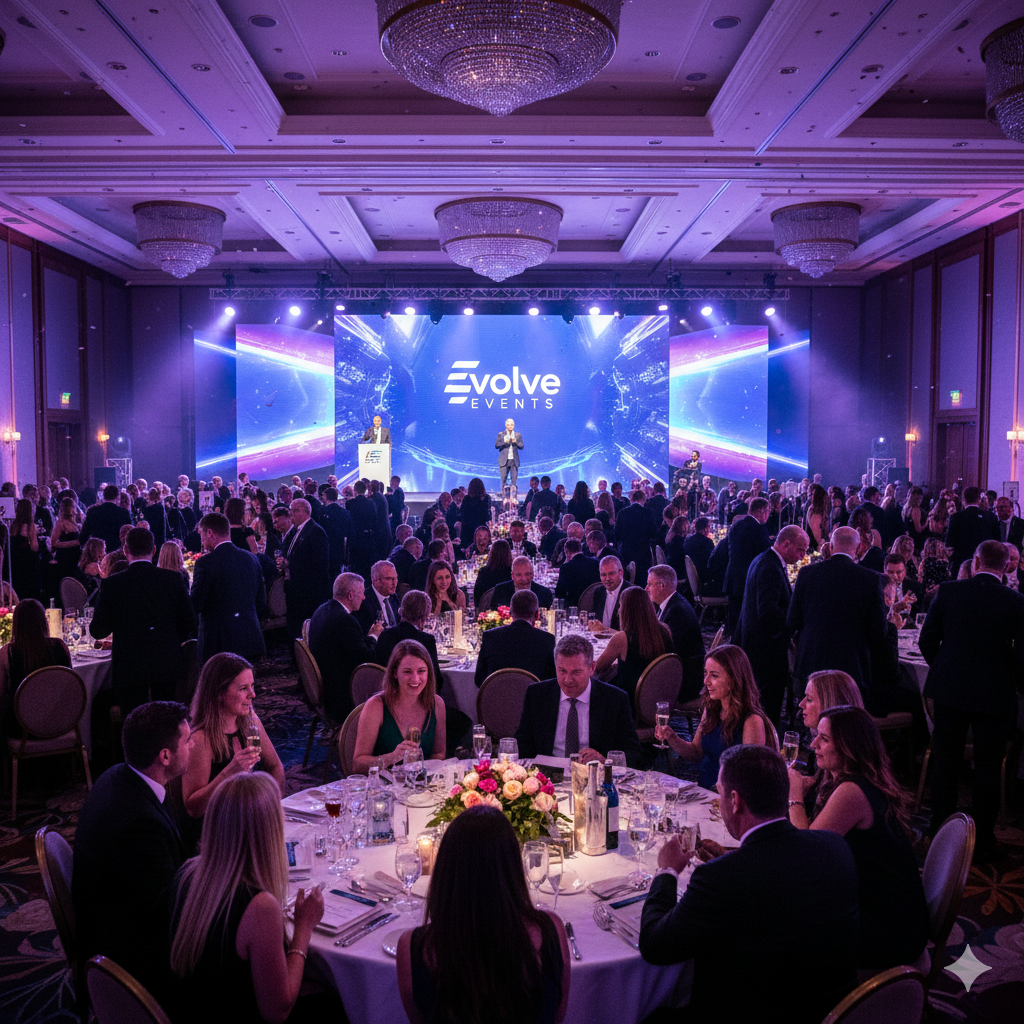
Corporate Event Management in India has undergone a remarkable transformation over the last decade. What was once viewed as a purely operational, logistics-driven function has now evolved into a powerful strategic tool for marketing, employee engagement, brand positioning, and business growth. Today, corporate events are no longer limited to arranging venues, stages, and microphones. Instead, they are immersive brand experiences designed to deliver measurable outcomes, foster relationships, and build communities.
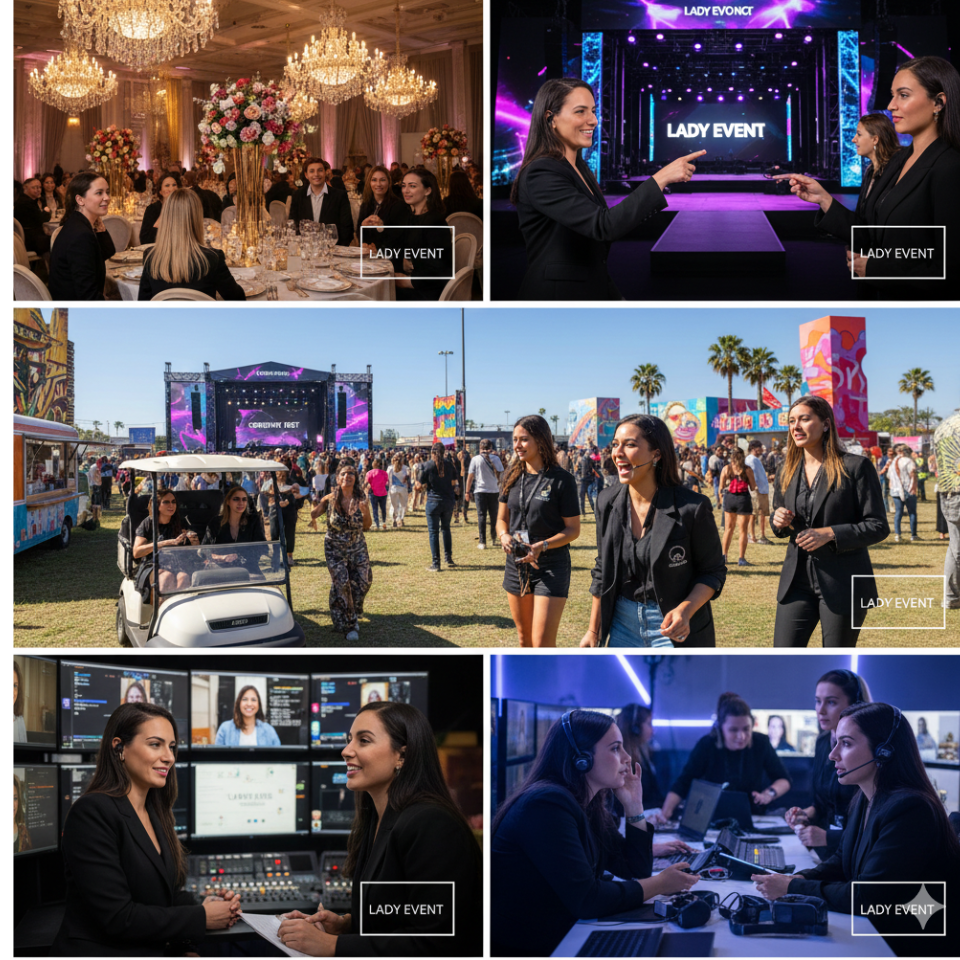
This evolution has been driven by multiple factors, including changing workplace cultures, rapid advancements in event technology, rising expectations from attendees, and growing emphasis on sustainability, inclusivity, and data-driven return on investment (ROI). As Indian businesses become more global, competitive, and experience-focused, corporate event management has emerged as a key differentiator.
This blog explores the major trends shaping Corporate Event Management in India, explains why they matter, and highlights how event professionals are adapting to meet modern business needs.
The Strategic Evolution of Corporate Event Management in India
In earlier years, corporate events in India were often treated as support activities — annual meetings, dealer conferences, or product launches handled as isolated projects. Success was measured by attendance and smooth execution. Today, the mindset has shifted. Corporate Event Management in India is now aligned closely with business objectives such as lead generation, employer branding, customer engagement, and internal culture building.
Senior leadership increasingly views events as integrated marketing and communication channels. This shift has pushed event managers to focus on strategy, creativity, technology, and analytics, rather than just logistics.
1. Hybrid and Phygital Events: The New Industry Standard
One of the most significant developments in Corporate Event Management in India is the rise of hybrid and phygital events. Hybrid events combine physical and virtual participation, allowing audiences to attend both onsite and online. This model gained prominence during the COVID-19 pandemic but has remained popular due to its flexibility and scalability.
Indian corporates now prefer hybrid formats to include remote employees, regional teams, international partners, and global customers. Phygital experiences take this further by blending physical environments with digital enhancements such as QR-based interactions, augmented reality (AR), virtual reality (VR), event apps, and gamification.
These formats help organisations expand reach, reduce travel costs, increase inclusivity, and maintain the energy of live experiences — making them a cornerstone of modern corporate event planning.
2. Data-Driven Events and Measurable ROI
Corporate Event Management in India has become increasingly data-centric. Businesses now demand clear metrics to justify investments in events. Event success is no longer judged solely on attendance numbers but on measurable KPIs such as leads generated, engagement levels, attendee sentiment, pipeline contribution, and cost per acquisition.
Advanced event technologies — including registration platforms, CRM integrations, RFID tracking, and event analytics dashboards — allow organisers to collect and analyse behavioural data. This data-driven approach transforms corporate events into measurable marketing campaigns rather than one-time expenditures.
Post-event reports, insights, and analytics presentations have become standard deliverables, enabling event professionals to demonstrate tangible business value to stakeholders.
3. Experiential Marketing and Brand Activations
Another defining trend in Corporate Event Management in India is the shift towards experiential marketing. Corporates are moving beyond traditional speeches and presentations to create immersive experiences that emotionally connect with audiences.
From interactive product demos and VR simulations to storytelling zones and hands-on brand installations, experiential elements are designed to engage attendees actively. These experiences leave lasting impressions, encourage social sharing, and strengthen brand recall.
Experiential marketing is particularly prominent in product launches, trade shows, and B2C-facing corporate activations, where memorable interactions often translate into customer loyalty and business opportunities.
4. Virtual-First and Extended Event Formats
While in-person events have returned, many organisations in India now adopt a virtual-first approach for specific use cases such as global town halls, leadership communication, training programs, and webinars. Virtual platforms have matured significantly, offering features like breakout rooms, live polls, networking lounges, and multilingual support.
Another emerging trend is event extension. Instead of limiting engagement to a single day, corporates extend the lifecycle of events through pre-event content, post-event sessions, on-demand videos, and online communities. This approach increases audience engagement, maximises sponsor value, and amplifies content reach.
5. Sustainability and Green Corporate Events
Sustainability has become a core pillar of Corporate Event Management in India. With rising ESG commitments and stakeholder awareness, companies are expected to minimise environmental impact and adopt responsible practices.
Common sustainability measures include digital invitations, paperless registrations, energy-efficient lighting, eco-friendly décor, compostable catering materials, and waste management plans. Some organisations also measure event carbon footprints and invest in offset programs.
Green events are no longer optional; they are a reflection of corporate responsibility and long-term brand values.
6. Personalisation and Hyper-Localisation
Modern audiences expect personalised experiences. In Corporate Event Management in India, personalisation now extends to agenda recommendations, customised communication, dietary preferences, and AI-driven networking suggestions.
Hyper-localisation is equally important in a diverse country like India. Events are increasingly designed with region-specific content, local languages, cultural nuances, and local influencers to resonate better with audiences across different geographies.
This approach enhances attendee satisfaction, improves engagement, and increases conversion rates for both internal and external events.
7. Micro-Events and High-Impact Formats
Attention spans are shrinking, and organisations are responding by adopting shorter, high-impact event formats. Micro-events such as executive roundtables, breakfast meetings, pop-up activations, and invite-only salons are gaining popularity.
These formats allow better targeting, lower costs, and deeper engagement with curated audiences. For internal communication, micro-events help sustain culture and leadership visibility without the scale and expense of large conferences.
8. Health, Safety, and Compliance-Led Planning
Health and safety considerations have become integral to Corporate Event Management in India. Event planning now routinely includes medical support, crowd management, hygiene protocols, and emergency response plans.
Compliance is also critical, especially for corporates operating across multiple states. Event professionals must navigate local permissions, vendor licensing, insurance requirements, and contractual risk clauses. This risk-aware approach ensures business continuity and stakeholder confidence.
9. No.1 Talent Evolution in Corporate Event Teams
The skill set required for Corporate Event Management in India has expanded significantly. Today’s event professionals must understand marketing strategy, analytics, content creation, sustainability, and production technology.
Freelancers, specialists, and niche agencies are increasingly integrated into core teams. Continuous upskilling through training programs and certifications has become essential to keep pace with evolving tools and formats.
10. Innovative Sponsorship and Monetisation Models
Sponsorship in corporate events has evolved beyond logo placements. Sponsors now seek measurable engagement, lead access, thought leadership opportunities, and content visibility.
Event organisers in India are designing outcome-based sponsorship packages tied to engagement metrics, hybrid reach, and post-event content. This shift creates more value for sponsors and opens new revenue streams for organisers.
11. AI and Automation in Event Management
Artificial intelligence is gradually reshaping Corporate Event Management in India. AI-powered tools are used for attendee matchmaking, chatbots, personalised agendas, sentiment analysis, and predictive planning.
Automation improves operational efficiency, reduces manual workload, and enhances attendee experience. While adoption is still growing, leading corporates are actively experimenting with AI-driven solutions.
12.Content-First Event Strategies
Events are now treated as content engines. Sessions are recorded and repurposed into blogs, short videos, podcasts, social media posts, and lead magnets. This content-first approach extends event ROI and supports long-term marketing strategies.
Planning content outcomes in advance ensures alignment between event programming and business messaging.
13. Inclusivity and Accessibility
Inclusive design is gaining importance in Corporate Event Management in India. Accessible venues, diverse speaker line-ups, sign language interpretation, closed captions, and gender-neutral facilities are increasingly considered standard.
Inclusive events improve representation, strengthen employer branding, and enhance corporate reputation.
14. Local Partnerships and Unconventional Venues
Corporates are collaborating with local vendors, creative studios, and unconventional venues to deliver unique experiences. Heritage sites, co-working spaces, outdoor venues, and experiential locations help differentiate events while supporting local economies.
15. Regulatory Awareness and Risk Management
With changing regulations and geopolitical uncertainties, corporates must stay informed about travel advisories, supply-chain disruptions, and local rules. Early planning, contingency budgets, and flexible contracts have become essential in Corporate Event Management in India.
Conclusion
Corporate Event Management in India has matured into a strategic, technology-enabled, and results-driven discipline. Hybrid experiences, data-driven decision-making, experiential marketing, sustainability, and content integration are redefining how corporates design and deliver events.
Organisations that treat events as integrated business assets — rather than standalone expenses — will unlock greater value, stronger engagement, and long-term impact. As India’s corporate landscape continues to evolve, event management will remain a critical driver of connection, communication, and growth.